It’s a New Year, so you all know what that means right?
No, not CIA sponsored regime change in South America! That can happen any time! Just ask General Manuel Noriega of Panama who was deposed in 1990… in January…
Hmm…
Oh right! No politics! Only amazing fanart by New Commenter of the Year: Narshe!
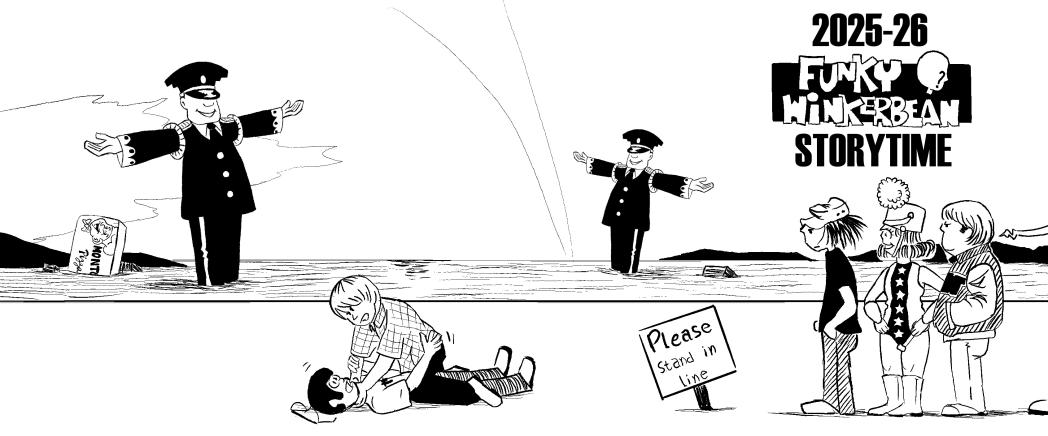
Narshe, you have provided over the last months one of the most interesting and insightful journeys into the Funkyverse I’ve ever read. Thank you for finding us, and thank you for sharing!
But all the old school nitters still hanging around know that January means CBH spreadsheets! And…soon…awards season mayhaps?
So BEHOLD Recurring Named Crankshaft Characters by Number of Strips Appearing In for 2025!
As always flashbacks and people talking on TV count. Photographs do not.
| Ed Crankshaft | 240 |
| Pam Murdoch | 107 |
| Jeff Murdoch | 77 |
| Lillian McKenzie | 57 |
| Batton Thomas | 43 |
| Skip Rawlings | 41 |
| Andy Clark | 40 |
| Ralph Meckler | 28 |
| Rocky Rhodes | 25 |
| George Keesterman | 22 |
| Emily Mathews Reynolds | 21 |
| Mindy Murdoch | 21 |
| Mary Marzipan Cummings | 19 |
| Lena | 19 |
| Harry Dinkle | 16 |
| Pizza Box Monster | 15 |
| Pete Reynolds Roberts | 14 |
| Amelia Mathews Reynolds | 13 |
| Angie | 10 |
| Chris Crankshaft | 7 |
| Pat (Choir) | 7 |
| Mary Jane (Choir) | 6 |
| Bonnie (Choir) | 6 |
| Lois (Choir) | 5 |
| Nancy (Choir) | 5 |
| Eugene Roberts | 5 |
| Pickles | 5 |
| Max Murdoch | 4 |
| Hannah Murdoch | 4 |
| Crazy Harry Klinghorn | 4 |
| Walt (BM) | 4 |
| Connie (BM) | 4 |
| DSH John Howard | 3 |
| Ricca (Choir) | 3 |
| Peggy And/Or Lee | 2 |
| Curt Cameron | 2 |
| Mitch Murdoch | 2 |
| Cindy Johnson | 2 |
| Lucy McKenzie | 2 |
| Nate Green | 1 |
| Mayor Bob Kane | 1 |
| Mrs. Johnson | 1 |
| Madam Marie | 1 |
| Max Axelrod | 1 |
| Bingo | 1 |
| Larry Dinkle | 1 |
| Mrs. Lee | 1 |
| Mary Crankshaft | 1 |
This year was thin on Funky Winkerbean refugees. Last year we had Masone Jarre, Cindy Summers Jarre, CauCayla, Boy Lisa, Jess (whose father John Darling was murdered), Flash Freeman, Phil Holt, Funky Winkerbean himself, and who can forget HE WHO SHALL NOT BE NAMED.
Heck even refugees that have earned permanent residency status, such as Dinkle, Mopey Pete, and the Komix Korner turned in significantly less appearances.
If I had to venture a guess, I’d say this was to balance out the multiple, multiple, interminable weeks of Batton and Skip blathering on.
This years entry in the, ‘WAIT HE HAS A NAME?” club included the black Channel 1 News Anchor.
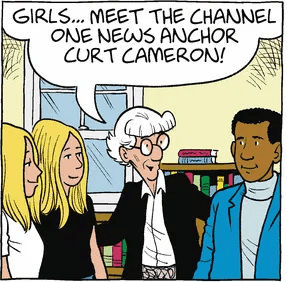
He’s been around forever, but I hadn’t caught a name for him until this dumb strip.
An old Crankshaft regular appearing for the first time in few years was Mayor Bob Kane, the sleazy eternally elected parasite that in 2015 narrowly beat out challenger Ralph Meckler on a coin toss, and Ralph never ever tried again.
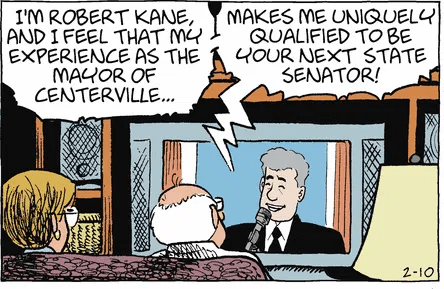
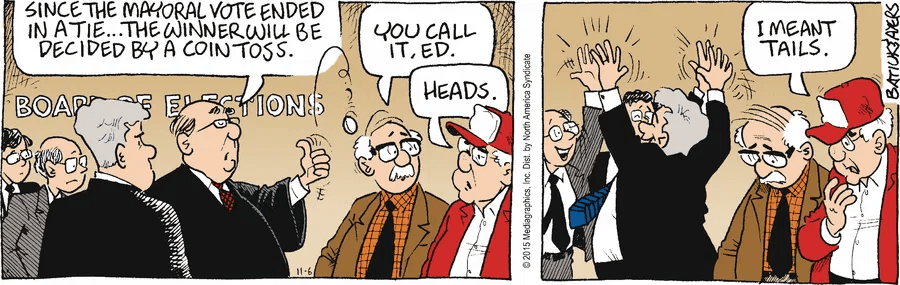
Mayor Kane was discussed by the Dale Evans crew for being a drunk driver for a few strips too, but mentions don’t equal appearances. Otherwise little Mitchy would have a couple more tallies in his column.
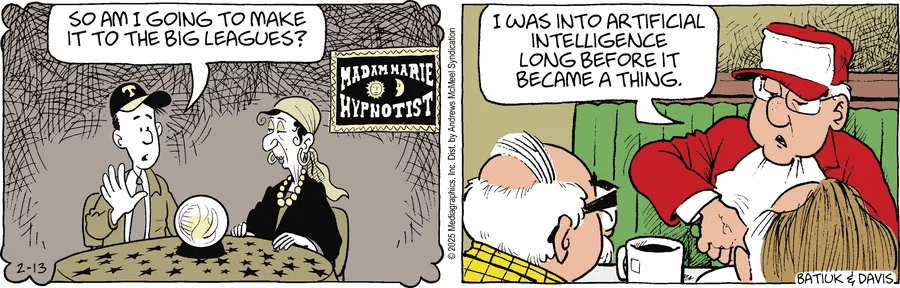
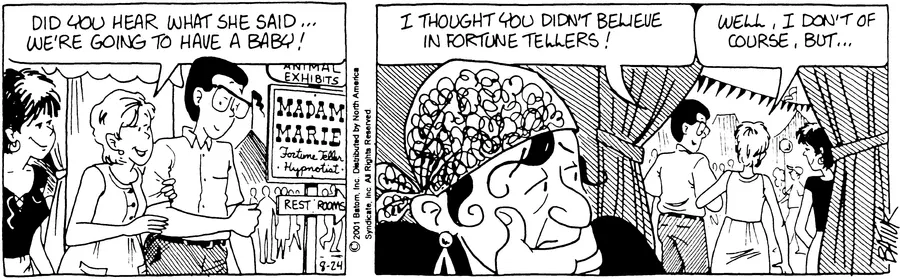
Appearing in flashback this year was Madam Marie, the county fair Fortune Teller and Hypnotist who has made appearances in both old Crankshaft baseball stories as well as Funky Winkerbean.
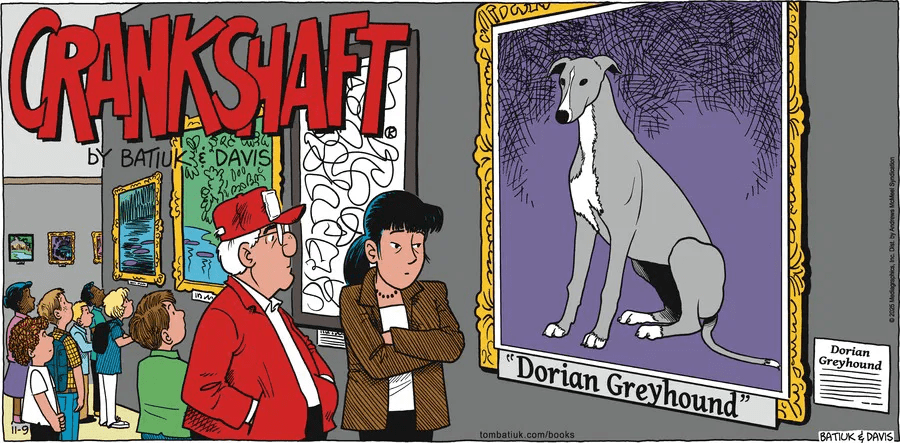
And if you’re wondering who the frick Mrs. Lee is, she’s this vaguely Asian looking school teacher.
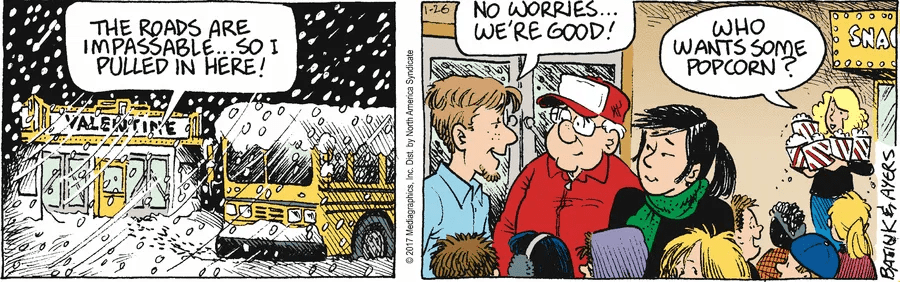
Her biggest arc I can remember is getting snowed in at the Valentine with an entire schoolbus load of kids back in 2017.
But for some inexplicable reason (diversity?) she scored a seat in the grand finale Christmas panel, beating out characters like Harriet Dinkle and Ann and Fred Fairgood.

Stay tuned folks!






 Son of Stuck Funky